
Beyond The Athlete High School Summit
Day 3 — College & What Comes Next
Today's conversations look beyond the immediate next step and ask a bigger question: How do we prepare female athletes for college, changing identities, future opportunities, and a lifelong connection to the skills and experiences they developed through sport?
We'll explore access and belonging, identity beyond the uniform, the college recruiting process, college readiness, scholarships, affordability, and what it means to prepare young women for what comes next.
VIP Bonus Conversation
Watch the Live Closing Conversation Replay
Hear the speakers come together for a candid conversation about identity, confidence, leadership, belonging, recruiting, college readiness, and preparing female athletes for life beyond sport.
What We're Exploring Today
Eventually, every athlete reaches a transition.
For some, that means navigating the college recruiting process or preparing for higher education. For others, it means discovering a new relationship with sport or beginning to understand who they are when athletics is no longer at the center of every decision.
Day 3 explores how adults can help female athletes stay connected to the value of sport, build an identity that can grow with them, make thoughtful college decisions, and prepare for opportunities long after competition ends.


Session 1
Keeping Girls in the Game: Access, Belonging, and Identity
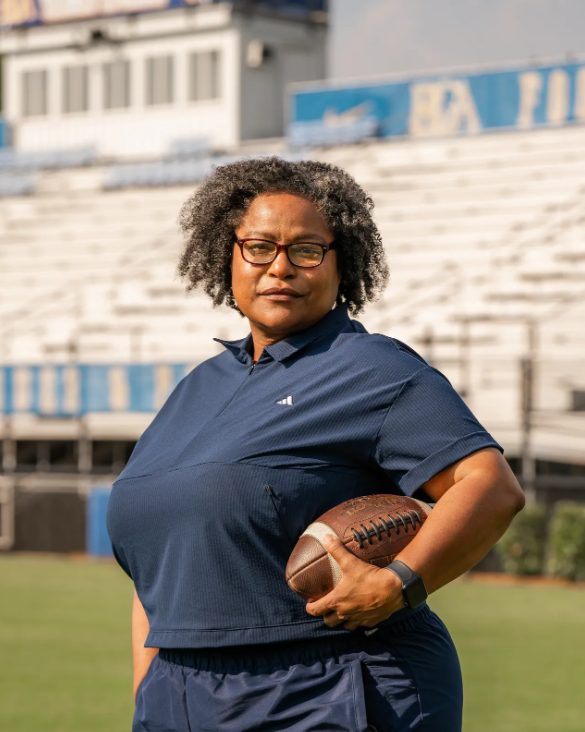
Mary Novick
Director, Brand Partnerships and Sales, Hudl
Topic
ACCESS + BELONGING + IDENTITY
The presentation focuses on three pillars: access, belonging, and identity—ensuring girls feel seen, valued, supported, and empowered both on and off the field.
Mary challenges parents, coaches, and athletic leaders to look beyond performance and create environments where young women can build confidence, leadership, self-advocacy, and a lifelong connection to sport.
Ultimately, when we invest in girls today, we prepare them to lead tomorrow.
SEEN. VALUED. INVESTED IN.
If we want girls to stay connected to sport, they need to know their effort matters and that they belong long before performance proves anything.
As You Watch, Consider
Does the athlete you support feel seen and valued because of who she is—or primarily because of what she produces?
Your Takeaway: What is one change you could make in your family, team, or athletic program that would strengthen her access, belonging, or identity beyond performance?
Three Pillars
Access. Belonging. Identity.
Access
Access is more than facilities and equipment. It includes visibility, recognition, technology, storytelling, and giving female athletes the same opportunity to see and share their development.
Belonging
Belonging means an athlete feels accepted and valued as a person—not only when she performs well.
Identity
Sport should be part of who she is without becoming all of who she is.
Put It Into Practice
Three Actions to Bring Back With You
Mary challenges adults to look beyond performance and create environments where young women can build confidence, leadership, self-advocacy, and a lifelong connection to sport.
1
Audit Visibility
Look honestly at how female athletic programs are represented through highlights, streaming, social media, resources, recognition, and storytelling.
2
Talk Beyond the Scoreboard
Create regular conversations around identity, resilience, growth, leadership, and what sport is teaching athletes about life. Parent prompt: "What was the most fun part of practice today?"
3
Encourage Long-Term Connection
Help athletes understand that loving sport does not require competing forever. Sport can evolve into coaching, sports business, technology, healthcare, leadership, community work, and other professional opportunities.
Three Pillars
Access. Belonging. Identity.
Access
Access is more than facilities and equipment. It includes visibility, recognition, technology, storytelling, and giving female athletes the same opportunity to see and share their development.
Belonging
Belonging means an athlete feels accepted and valued as a person—not only when she performs well.
Identity
Sport should be part of who she is without becoming all of who she is.
WE DON'T JUST KEEP GIRLS IN SPORT.
WE PREPARE THEM TO LEAD.
Session 2
The Making of Me: Discovering Who You Are Outside of Sports
Jamesetta Cleveland
Founder & CEO, Sports Mom University
Topic
IDENTITY + LIFE BEYOND SPORT
To have a meaningful life, Jamesetta Cleveland asks athletes and the adults supporting them to consider three simple but important questions:
Who am I?
Where do I belong?
Am I loved unconditionally?
Through the lens of identity development, Jamesetta explores why athletes need space to understand who they are outside of their sport, team, family roles, and achievements—and why that work becomes especially important during adolescence and athletic transitions.
WHAT YOU DO IS NOT THE SAME AS WHO YOU ARE.
Roles change. Teams change. Seasons end. A healthy identity gives athletes something stable to carry through every transition.
As You Watch, Consider
If your athlete's team, sport, position, or achievements disappeared tomorrow, what would she still know to be true about who she is?
Your Takeaway: What is one way you can give her more room to explore interests, identities, relationships, and strengths outside of athletics?
Three Questions to Keep in Your Toolbox
The Making of Me
Who Am I?
Help athletes distinguish personal identity from the roles they play.
Where Do I Belong?
Explore team, family, community, and cultural identity without allowing group identity to completely consume individual identity.
Am I Loved Unconditionally?
Help young people understand that love, belonging, approval, and worth do not have to depend on athletic performance or achievement.
Put It Into Practice
Separate Identity From Role
1
Notice the Names
Pay attention to the labels athletes use for themselves and the labels adults repeatedly give them.
2
Make Room for Exploration
Do not require young athletes to define themselves too narrowly or too early.
3
Remember That Roles Change
Athlete, starter, captain, recruit, student, teammate, and career roles can all change. Identity must be able to grow beyond them.
4
Use Sport as Leverage
Sport can open doors to relationships, education, opportunities, and experiences without needing to become someone's entire life.
Three Questions to Keep in Your Toolbox
The Making of Me
Who Am I?
Help athletes distinguish personal identity from the roles they play.
Where Do I Belong?
Explore team, family, community, and cultural identity without allowing group identity to completely consume individual identity.
Am I Loved Unconditionally?
Help young people understand that love, belonging, approval, and worth do not have to depend on athletic performance or achievement.
SPORT IS PART OF HER STORY.
IT DOESN'T HAVE TO BE HER ENTIRE IDENTITY. Give her time and permission to discover who she is beyond the roles she plays.
Session 3
The College Recruiting Process — Finding the Right Fit
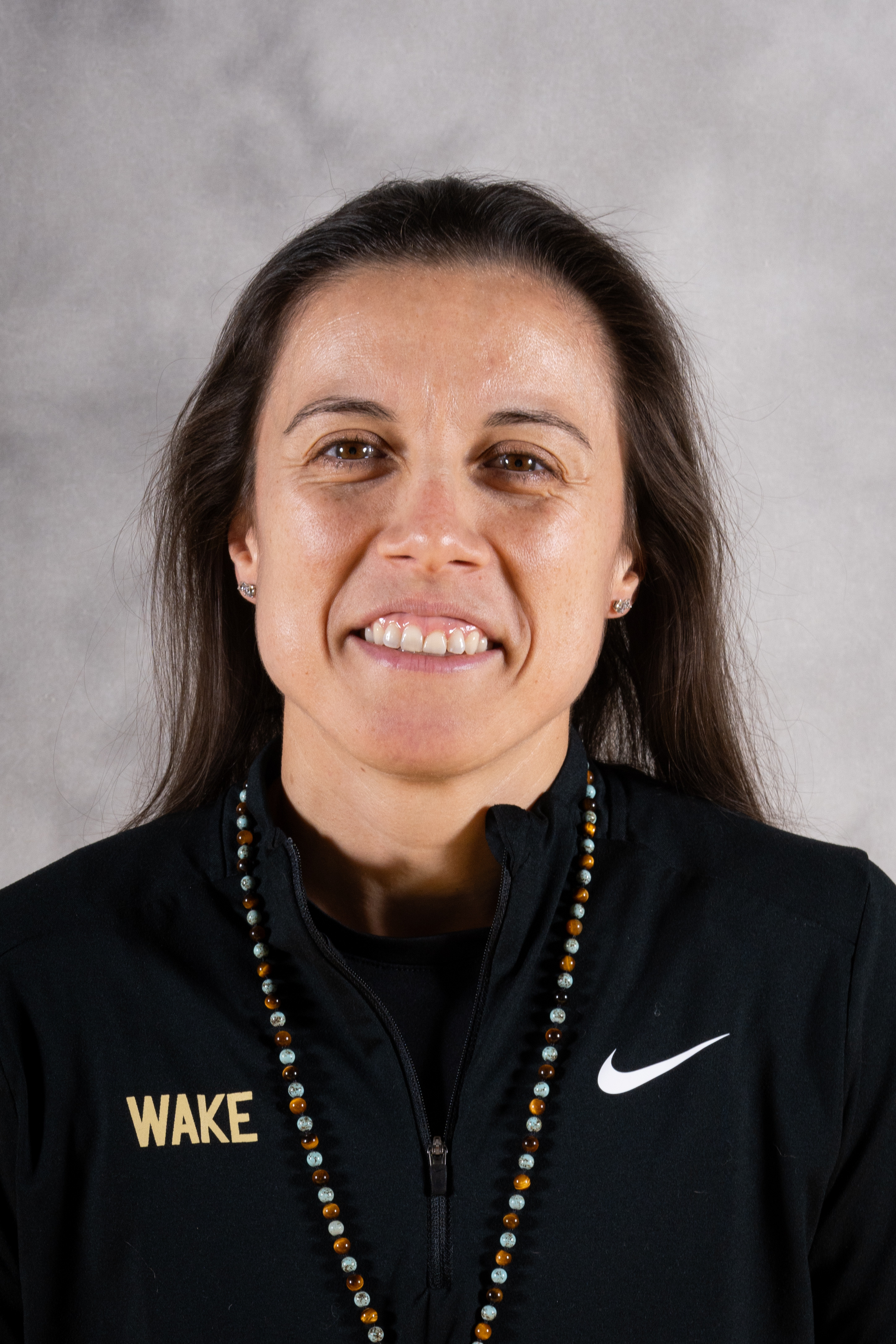
Nikki Flores
Chief of Recruiting & Operations, Wake Forest University Women's Basketball
Topic
COLLEGE RECRUITING + FINDING THE RIGHT FIT
Nikki Flores breaks down the college recruiting process from the perspective of an experienced collegiate coach and recruiting leader.
She covers the basics of recruiting rules, how communication begins, how athletes can recognize genuine interest from a program, how to show coaches they are interested, what college coaches evaluate beyond athletic performance, and how families can stay organized throughout the process.
Most importantly, Nikki challenges athletes to look beyond the offer and focus on finding a college that fits academically, socially, personally, and athletically.
FIND THE SCHOOL THAT FITS THE PERSON—NOT JUST THE ATHLETE.
A recruiting decision should make sense academically, socially, personally, and athletically.
As You Watch, Consider
If the sport disappeared tomorrow, would the school still feel like the right place for this athlete academically, socially, and personally?
Your Takeaway: What are the three most important non-negotiables your athlete should protect throughout the recruiting process?
Navigate the Process
Finding the Right Fit
Know the Rules
Understand the recruiting rules for your specific sport, including when and how coaches are permitted to communicate. Recruiting rules can change, so keep this general and verify current guidelines.
Understand Genuine Interest
Look at patterns of communication and engagement—regular communication, coaches attending competitions, campus invitations, official or unofficial visits, and continued relationship-building.
Show Your Interest
Athletes should be active participants in the process—visit campuses, engage with coaches, ask questions, put the phone away during visits, answer questions themselves, and follow up appropriately.
Coaches Are Watching More Than Performance
College coaches evaluate more than skill. They may notice leadership, bench engagement, communication, response to adversity, coachability, team interactions, body language, and how an athlete carries herself.
Think Beyond the Sport
Ask: Would you still want to attend this school if your sport disappeared tomorrow? Consider academics, major, campus environment, social fit, career preparation, internships, and long-term opportunities.
Stay Organized
Keep notes on coach conversations, campus visits, questions, likes and dislikes, roles discussed, academic fit, and personal priorities. Use this information to compare opportunities as a family.
THINK ABOUT THE 40-YEAR PLAN—NOT JUST THE FOUR-YEAR PLAN.
The athletic experience matters, but so do academics, career preparation, relationships, internships, and the life an athlete is building after college.
Questions to Ask During Recruiting
How do you see me fitting into your program?
What role do you see me having initially?
What does athlete development look like here?
How do players interact with coaches?
How does this program support academics?
What opportunities exist outside my sport?
Would I be happy here as a regular student?
What matters most to me that I am not willing to compromise?
Navigate the Process
Finding the Right Fit
Know the Rules
Understand the recruiting rules for your specific sport, including when and how coaches are permitted to communicate. Recruiting rules can change, so keep this general and verify current guidelines.
Understand Genuine Interest
Look at patterns of communication and engagement—regular communication, coaches attending competitions, campus invitations, official or unofficial visits, and continued relationship-building.
Show Your Interest
Athletes should be active participants in the process—visit campuses, engage with coaches, ask questions, put the phone away during visits, answer questions themselves, and follow up appropriately.
Coaches Are Watching More Than Performance
College coaches evaluate more than skill. They may notice leadership, bench engagement, communication, response to adversity, coachability, team interactions, body language, and how an athlete carries herself.
Think Beyond the Sport
Ask: Would you still want to attend this school if your sport disappeared tomorrow? Consider academics, major, campus environment, social fit, career preparation, internships, and long-term opportunities.
Stay Organized
Keep notes on coach conversations, campus visits, questions, likes and dislikes, roles discussed, academic fit, and personal priorities. Use this information to compare opportunities as a family.
THINK ABOUT THE 40-YEAR PLAN—NOT JUST THE FOUR-YEAR PLAN.
The athletic experience matters, but so do academics, career preparation, relationships, internships, and the life an athlete is building after college.
GO WHERE YOU'RE WANTED—AND WHERE YOU WANT TO BE.
The right fit is mutual. Hold onto the things that matter most to you and your future.
Resources From Nikki
Stay Organized Through Recruiting
Use Nikki's downloadable resource to help keep recruiting information, priorities, and decisions organized throughout the process.
Session 4
How to Send Your Student to College Without Losing Your Mind or Your Money!
Shellee Howard
Founder & CEO, College Ready
Topic
COLLEGE READINESS + AFFORDABILITY
Shellee Howard shares how families can approach the college process strategically with the goal of getting accepted into the right school while also considering return on investment.
Drawing from 18 years of college admissions work, she walks families through academics, testing, extracurriculars, leadership, essays, recommendations, affordability, scholarships, financial aid, and the importance of building a thoughtful plan before application season arrives.
The goal is to help families make informed college decisions while reducing costly mistakes and unnecessary debt.
KNOW BEFORE YOU APPLY.
College readiness is not one decision. It is a strategy built across academics, testing, leadership, extracurriculars, affordability, scholarships, and fit.
As You Watch, Consider
Does your family have a college strategy—or are you waiting until application season to start making the biggest decisions?
Your Takeaway: What is one part of the college process you need more clarity around now: academics, testing, fit, scholarships, financial aid, extracurriculars, or career direction?
Plan With Intention
College Readiness Is More Than GPA
Academics
Consider course rigor, GPA, AP, IB, honors, and dual enrollment strategically.
Testing
Create an intentional SAT or ACT strategy instead of assuming test-optional means testing is irrelevant.
Extracurriculars + Leadership
Help students build meaningful experiences around interests, gifts, values, leadership, and community impact.
Story + Application
Essays, recommendations, and interviews should help communicate who the student is and what matters to her.
Affordability
Understand college costs, scholarships, financial aid, Student Aid Index, and institutional generosity before making final decisions.
Fit + Future
Connect the college search to possible majors, career goals, interests, desired campus experience, and long-term return on investment.
Start Here
Five Questions for Your College Plan
Is she taking the most challenging courses she can successfully manage?
Do you have an intentional SAT or ACT testing strategy?
Are her extracurriculars and leadership experiences connected to genuine interests and meaningful impact?
Do you understand what each potential college may actually cost your family?
Does she have enough clarity around majors, careers, and the kind of college experience she wants?
Plan With Intention
College Readiness Is More Than GPA
Academics
Consider course rigor, GPA, AP, IB, honors, and dual enrollment strategically.
Testing
Create an intentional SAT or ACT strategy instead of assuming test-optional means testing is irrelevant.
Extracurriculars + Leadership
Help students build meaningful experiences around interests, gifts, values, leadership, and community impact.
Story + Application
Essays, recommendations, and interviews should help communicate who the student is and what matters to her.
Affordability
Understand college costs, scholarships, financial aid, Student Aid Index, and institutional generosity before making final decisions.
Fit + Future
Connect the college search to possible majors, career goals, interests, desired campus experience, and long-term return on investment.
Resources From Shellee
College Ready Resources
Use this College Ready resource to continue planning and preparing for the college process after the session.
Continue With Shellee
Need More College Planning Support?
Shellee offers a complimentary 30-minute clarity call for families looking for additional guidance with the college process.
VIP All-Access
Keep the Conversation Going Live
VIP All-Access members are invited to the Day 3 Closing Conversation—a moderated live discussion bringing Summit speakers together to go deeper into the questions, themes, and ideas explored throughout the three days.
VIP All-Access also includes 90-day replay access, the Day 3 live Closing Conversation and replay, and additional Summit resources.
Explore All Three Days
Day 3
College & What Comes Next
September 24
You're Here
The Conversation Doesn't End Here.
The goal of the Summit isn't simply to watch the sessions. It's to take these conversations back to the athletes, families, teams, schools, and communities you influence.