
Beyond The Athlete High School Summit
Day 2 — Voice & Leadership
Today's conversations explore how female athletes learn to use their voices, build confidence through action, develop leadership, create meaningful connections, and navigate the cultures and opportunities surrounding them.
We'll also look at the responsibility adults carry in creating environments where athletes feel seen, supported, challenged, and prepared to lead both within sport and beyond it.
VIP Bonus Conversation
Watch the Live Closing Conversation Replay
Hear the speakers come together for a candid conversation about identity, confidence, leadership, belonging, recruiting, college readiness, and preparing female athletes for life beyond sport.
What We're Exploring Today
Voice and leadership do not develop only when someone receives a title.
They grow through relationships, trust, responsibility, self-awareness, communication, and opportunities to practice using them.
Day 2 explores the environments adults create around female athletes—from team culture and belonging to communication, NIL, personal value, and the opportunities athletes can begin creating for themselves.


Session 1
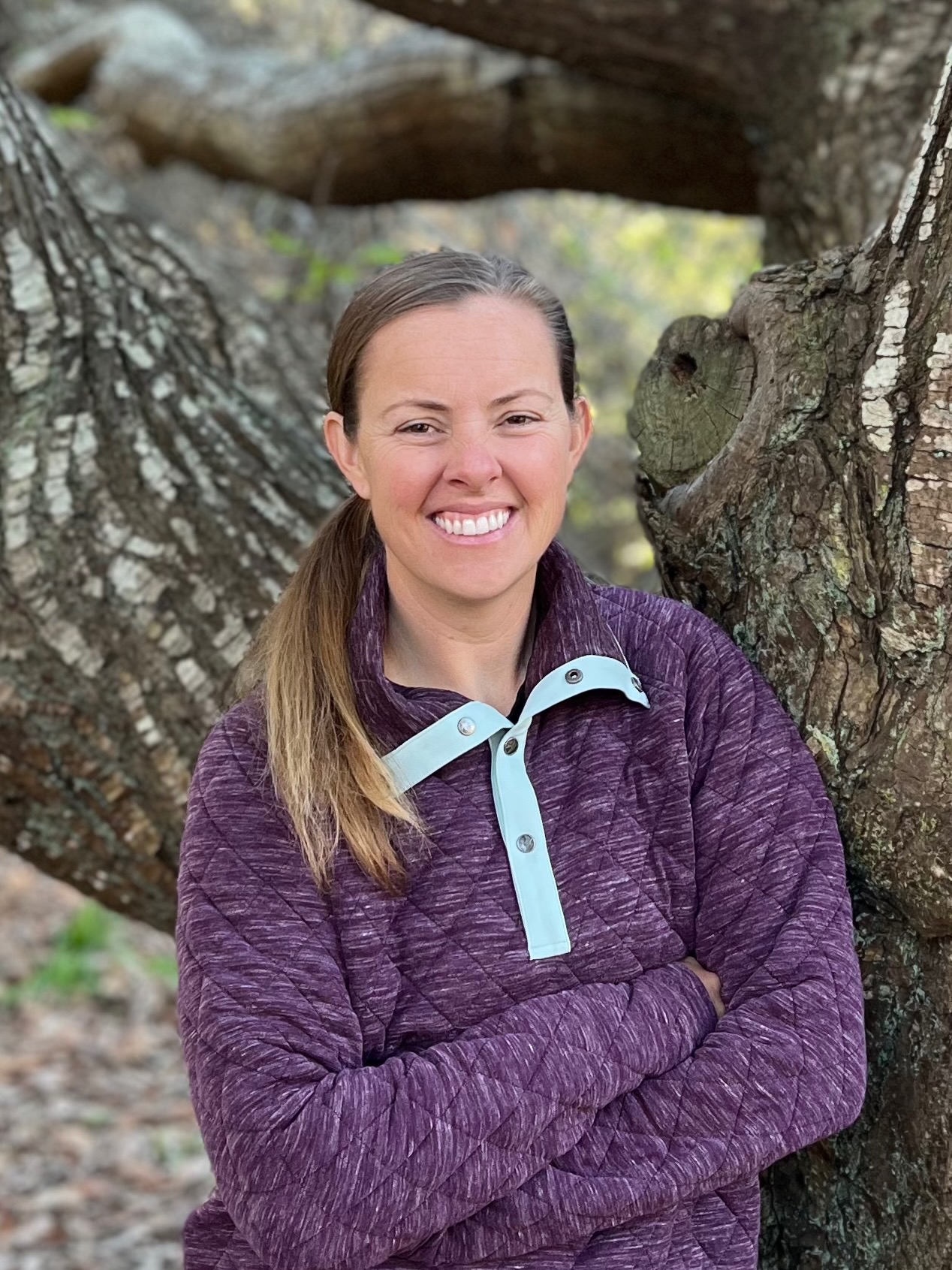
The Culture Starts With Us
Jen Brooks, CMAA
Athletic Director, Ursuline Academy
Topic
ATHLETIC LEADERSHIP + CULTURE
The Culture Starts With Us explores the responsibility athletic leaders carry beyond competition.
Through personal stories from her life as an athletic administrator and parent, Jen Brooks challenges adults to build environments rooted in confidence, belonging, resilience, leadership, identity, and joy.
The presentation asks one central question:
What are we preparing student-athletes for when the scoreboard turns off and the uniform comes off?
THE CULTURE STARTS WITH US.
Culture is shaped by what adults notice, protect, reward, repeat, model, celebrate, and refuse to excuse.
As You Watch, Consider
What are the athletes in your program learning about their worth, belonging, leadership, and identity from the way the adults around them respond to performance, mistakes, playing time, and pressure?
Your Takeaway: What is one thing you could intentionally notice, model, celebrate, or change that would strengthen the culture around the athletes you support?
Put It Into Practice
Build Culture on Purpose
Jen challenges adults to think beyond wins and losses and examine the messages athletes receive through everyday interactions.
1
Notice What Others Overlook
Pay attention to the athlete outside the spotlight—the quiet leader, injured athlete, bench player, or young woman wondering whether her contribution matters.
2
Create Belonging Before Performance
Help athletes understand that their value in the program is not conditional on statistics, minutes played, or recognition.
3
Give Her Room to Lead
Confidence often follows courage. Give young women real responsibility and enough safety to make mistakes, recover, and grow.
4
Ask More. Manage Less.
Create space for athletes to tell you what they want, what they feel, and what they need instead of assuming adults should write every chapter of their athletic experience.
5
Be Fierce With Grace
Maintain standards, compete hard, tell the truth, and do difficult things while still protecting the dignity of the person in front of you.
WHAT ARE WE PREPARING THEM FOR?
Are we preparing young women only to perform—or are we preparing them to lead, recover, advocate for themselves, and know who they are when the game ends?
Session 2
Beyond "How Are You?": The Fist of 5 for Building Connection
Claire Rietmann-Grout
Founder & Coach, The Positive Coach
Topic
LEADERSHIP + CONNECTION + TEAM CULTURE
Learn how the simple "Fist of 5" scaling question can help adults check in with athletes, build connection and trust, and create a team culture where athletes feel seen, supported, and cared for.
CONNECTION STARTS WITH CURIOSITY.
A better check-in can give adults information that "good" or "fine" never will.
As You Watch, Consider
When you ask an athlete how she is doing, are you creating a real opportunity for connection—or making it easy to answer with "good" or "fine"?
Your Takeaway: What simple check-in could you use consistently with your athletes to better understand how they are arriving at practice, meetings, or competition?
A difficult day. Energy or well-being may be low.
Something may be going on that deserves curiosity and a private check-in.
Middle ground. Pay attention to what the athlete may need today.
Good energy and readiness.
Feeling energized, positive, and ready.
NOTICE WITHOUT JUDGMENT.
Use the information as data—not as a label. If an athlete reports a low number, respond with curiosity and empathy before making assumptions.
What This Builds
Consistent check-ins help create the conditions where athletes feel safe enough to grow.
Resources From Claire
Take the Fist of 5 With You
Use Claire's downloadable tool to bring this check-in practice into your next team meeting, practice, or conversation.
FIST OF 5
Fist of 5 Connection Tool
Use Claire's downloadable tool to bring this check-in practice into your next team meeting, practice, or conversation.
Downloadable Guide
Download Resource →Session 3
Preparing Female Athletes for NIL: Story, Skills, Community & Opportunity
Antoine Burrell
Founder / CEO, B.E. Collective+
Topic
NIL + PERSONAL VALUE + OPPORTUNITY
Story. Skills. Community. Opportunity.
A framework for how parents, coaches, educators, athletic administrators, and others supporting athletes can begin laying the foundation early to help female student-athletes prepare for NIL and opportunities beyond sport.
NIL STARTS BEFORE THE DEAL.
Before an athlete can monetize her name, image, and likeness, she first has to understand what her name represents.
As You Watch, Consider
Could the female athlete you support clearly explain who she is, what she values, the skills she is developing, and what she wants to be known for beyond her sport?
Your Takeaway: What conversation could you start now to help her recognize that her value is bigger than her statistics, scholarship offers, follower count, or playing level?
Put It Into Practice
Story. Skills. Community. Opportunity.
Antoine introduces a four-part framework for helping young athletes understand their value and begin creating opportunities long before a major NIL deal appears.
1
Story
Help her understand the experiences that shaped her. Why did you start playing your sport? What have you overcome? What do you care about outside athletics? What do teammates come to you for? Who do you want to become?
2
Skills
Help her name the transferable skills sport is already developing: communication, discipline, leadership, time management, performing under pressure, receiving feedback, working with different personalities, and recovering from failure.
3
Community
Help her recognize who she naturally influences and connects with—teammates, younger athletes, school communities, club families, local organizations, and people who share her interests and values. A meaningful community can matter more than a massive following.
4
Opportunity
Help her identify opportunities aligned with who she is and what she wants to become—local business partnerships, youth clinics, speaking, community content, training facilities, nonprofit work, mentorship, internships, and career exploration.
Start the Conversation
Choose one athlete you support and ask:
What's your story?
What skills are you developing through your sport?
What community do you naturally connect with?
What kind of opportunities would excite you?
DON'T WAIT UNTIL SHE BECOMES "MARKETABLE" TO TEACH HER THAT SHE HAS VALUE.
Help her understand that value now—and teach her how to build on it responsibly.
Resources From Antoine
Continue the NIL Conversation
Use Antoine's resource to help athletes begin identifying their story, skills, community, and potential opportunities.
NIL PREPARATION
Story • Skills • Community • Opportunity
Use Antoine's resource to help athletes begin identifying their story, skills, community, and potential opportunities.
NIL Preparation Guide
Download Resource →VIP All-Access
Join the Day 3 Closing Conversation
VIP All-Access members are invited to the Day 3 live Closing Conversation—a moderated discussion bringing Summit speakers together to go deeper into the themes, questions, and ideas explored throughout the three days.
VIP All-Access also includes 90-day replay access, the Day 3 live Closing Conversation and replay, and additional Summit resources.
Explore All Three Days
Day 2
Voice & Leadership
September 23
You're Here
The Conversation Doesn't End Here.
The goal of the Summit isn't simply to watch the sessions. It's to take these conversations back to the athletes, families, teams, schools, and communities you influence.